ISSUES OF KIDNAPPING IN NIGERIA.

The rate of kidnapping in nigeria

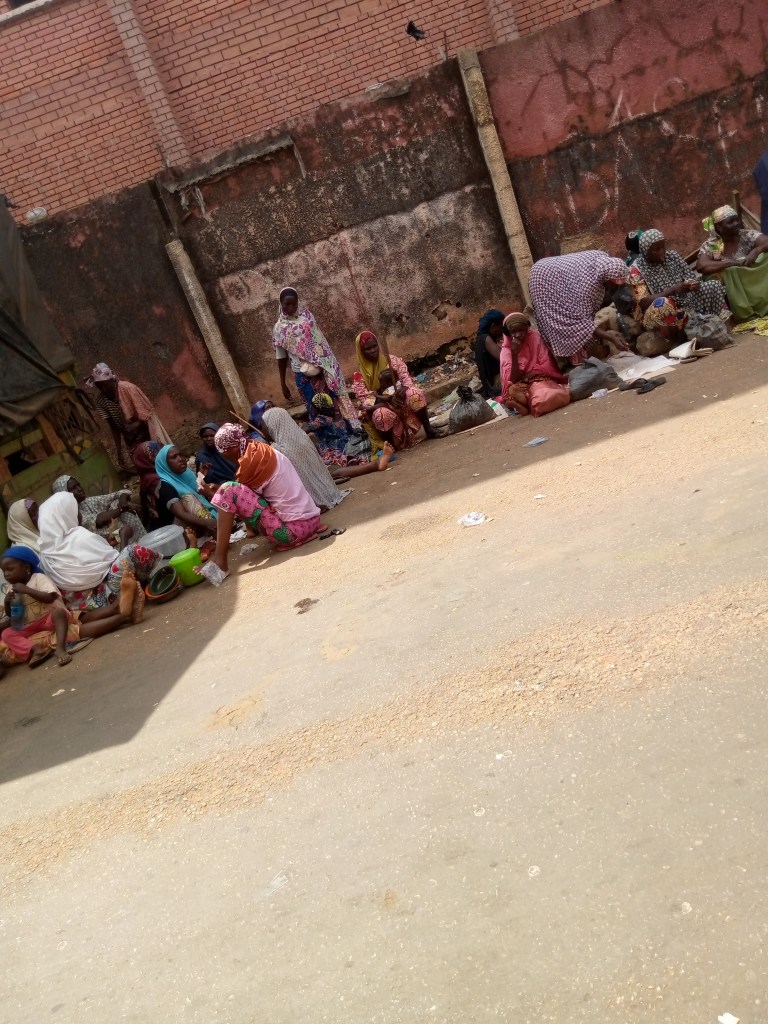
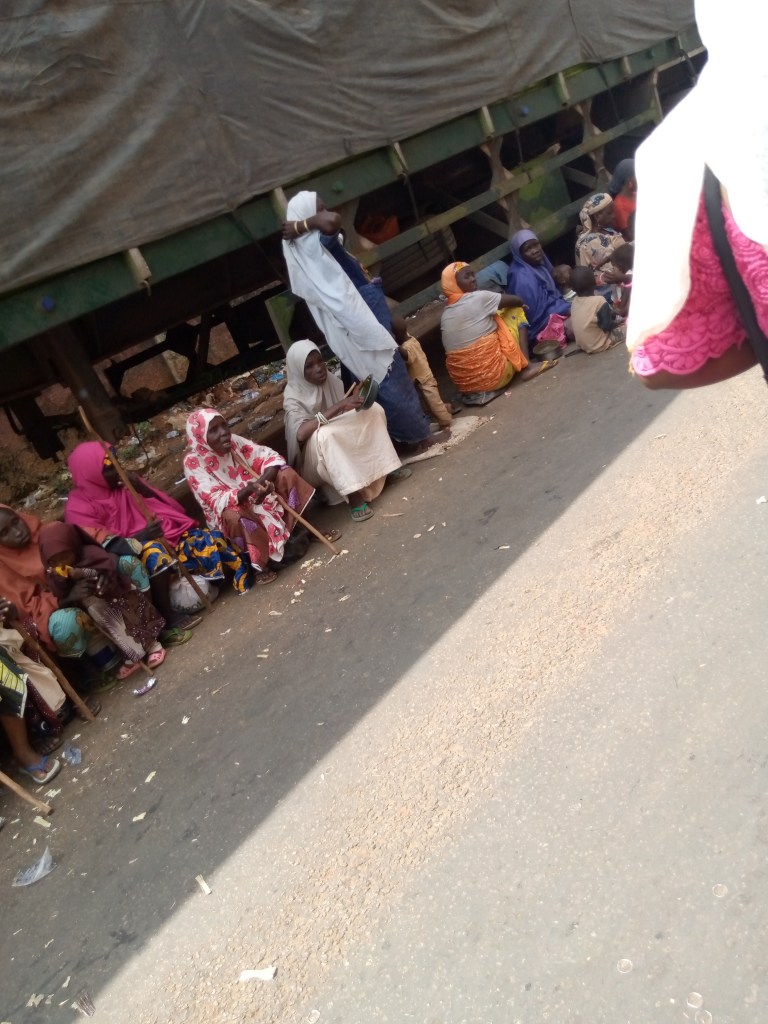
An average of 13 persons were abducted daily in Nigeria in the first half of 2021, according to a report by SBM Intelligence, bringing to 2,371 the number of persons kidnapped in the country within the first six months of the year. This came as the former senator representing Kaduna central, Shehu Sani said yesterday that the north-west would be a better place, if the Federal Government could deal with bandits with the same vigour used against secessionists.This is even as the abductors of the Emir of Kajuru, Alhassan Adamu, yesterday released the monarch but held on to his family members.On the number of people kidnapped in the last six months, the SBM report covered abductions from January to June.It indicated that a total of 2,371 persons were abducted across 36 states of the federation and the Federal Capital Territory, FCT.According to the report, N10 billion ($19.96 million as of June 30) was demanded as ransom for the kidnap victims.However, the report did not state the total amount paid.The highest number of kidnap victims, about 605, was recorded in February.This was closely followed by March with 534 kidnap victims; May, 355 kidnap victims; while April, January and June had 316, 284 and 277 respectively.Niger State, the hotbed of kidnappingThe report indicated that Niger State recorded the highest number of persons abducted, with 643 victims in 28 kidnap incidents, while 58 people were killed during the abductions.This was followed by Zamfara State with 519 kidnap victims in seven incidents, leading to the death of 22 people, while Kaduna State recorded 360 kidnap victims in 26 incidents, leading to the deaths of 41 persons.The kidnap victims in other states are as follows; Abia (6), Abuja (50), Adamawa (3), Akwa Ibom (2), Anambra (14), Bauchi (3), Bayelsa (7), Benue (6), Borno (1), Cross River (4), Delta (51), Ebonyi (5), Edo (18), Ekiti (14), Enugu (15), Gombe (1), Imo (25), Jigawa (2), Kano (3), Katsina (236), Kebbi (81), Kogi (31) and Kwara (10).Others include: Lagos (6), Nasarawa (44), Ogun (26), Ondo (17), Osun (23), Oyo (61), Plateau (10), Rivers (14), Sokoto (10), Taraba (46), and Yobe (4).Schools were often targeted in the abductions that took place in the first half of 2021, with hundreds of students taken hostage in the north-west.Reacting to the high incidents of kidnapping in the country, particularly by bandits, Shehu Sani, a former senator representing Kaduna central said, the north-west will be a better place if the Federal Government could deal with bandits with the same vigour used against secessionists.The north-west had been the hotbed of banditry in recent times, with over 500 students kidnapped in the region by bandits this year alone.The latest is the abduction of 121 students in Bethel Baptist Secondary school in Damishi, Chikun LGA of Kaduna State, on July 5. Less than a week later, the Emir of Kajuru and 13 members of his household were abducted at his palace.While bandits continue to wreak havoc in the north-west, security operatives have successfully clamped down on leaders of secessionist movements in the southern part of the country.“Abduction has become a daily tragedy in Nigeria, many even go unreported. Those that are reported are either mass abduction or the abduction of prominent people.

THE BORROWING ATTITUDE OF NIGERIAN GOVERNMENT.

Data presentation of present debts.

Nigeria’s public debt has been on the rise. Despite securing debt relief during the Olusegun Obasanjo-led administration, successive governments have continued on a borrowing spree — the federal government’s component of the public debt surging 658 percent to N26.9 trillion in the last 21 years.
This has raised concerns among Nigerians on the debt sustainability of the country amid dwindling revenue to meet the debt obligations to creditors.
Within two weeks, the senate approved three different loan requests by President Muhammadu Buhari.
On July 7, 2021, the upper chamber approved a loan request of N2.343 trillion, approximately $6 billion and another $8.3 billion and €490 million.
Defending one of the loan requests, the Debt Management Office (DMO) said it is part of a borrowing plan for the 2021 budget.
As of March 2021, Nigeria’s total public debt has hit N33.1 trillion ($87.24 billion) — an accumulation of borrowings from successive governments, of which most were borrowed since the return to democratic rule in 1999. 
The overall public debt is the total debt accrued by federal, states, and the FCT from local and international lenders.
Of the N33.1 trillion, the federal government alone borrowed N26.91 trillion — this includes the FGN bonds, Sukuk, green bonds and Euro bonds.
Finally, after weeks of data aggregation, number crunching, dissecting and analyses of freedom of information (FOI) response from the Debt Management Office (DMO), TheCable presents findings that highlight how Nigeria’s aggressive borrowing defies its fiscal responsibility laws.


The analyses also include data from the DMO, National Bureau of Statistical (NBS), and fiscal papers from the Budget Office of the Federation.
FG DEBT CLIMBED 658% TO N26.9 TRILLION IN 21 YEARSData from the DMO seen by TheCable showed that federal government borrowings (local and foreign debt) climbed from N3.55 trillion in 1999 to N26.91 trillion at the end of March 2021 (the country’s latest official figure).
This represents a 658 percent increase in 21 years, comprising the administrations of Olusegun Obasanjo, Umar Musa Yar’Adua, Goodluck Jonathan, and the current Muhammadu Buhari.
The Budget Office’s medium-term expenditure framework and fiscal strategy paper from 2015 showed that the Buhari-led administration incurred N7.63 trillion in domestic debt from June 2015 to December 2020.
On external borrowings, President Buhari increased debt from $7.3 billion in 2015 to $28.57 billion as of December 2020. This means that the president incurred $21.27 billion on foreign loans to the country’s debt portfolio. 
The country’s exchange rate moved from N197 to a dollar in 2015 to N381 at the end of December 2020.
Analysis of consolidated debt showed that the external debt increased by 291.37 percent while domestic debt grew by 86.31 percent in the last six years of the Buhari government.
Overall, the Buhari-led government has had an accumulated debt of N17.06 trillion as of March 2021, using the N381 exchange rate. This represents a 173.2 percent increase from when he was elected president in 2015.
UNDER JONATHAN’S ADMINISTRATIONAt the beginning of former President Goodluck Jonathan’s tenure in 2011, the federal government had an accumulated debt of N6.17 trillion.
Analysis of the debt figure showed that local debt amounted to N5.62 trillion while foreign debt stood at $3.5 billion (about N548.65 billion, using the exchange rate of N156.7/$1).
By the end of 2015, the foreign debt component hit $7.3 billion, while domestic debt increased by N8.4 trillion. The country’s exchange rate also stood at N197/$1. 
Overall, the federal government component of the total public debt increased from N6.17 trillion in 2011 to N9.8 trillion in 2015, representing an increase of N3.63 trillion or 58.8 percent.
YAR’ADUA/JONATHAN’S BORROWINGS
Under the Umar Musa Yar’Adua/Goodluck Jonathan-led government between 2007 and 2011, domestic debt of the federal government moved from N2.17 trillion to N5.62 trillion. The foreign component of the debt also increased from $2.11 billion to $3.5 billion within the period.
The country’s exchange rate also moved from N116.8/$1 to N156.7/$1.
The combined debt profile increased from N2.42 trillion to N6.17 trillion in four years, representing a 155 percent jump. 
Of the debt figure, Jonathan completed the tenure from May 2010 to May 2011 after the death of Yar’Adua. The period saw a surge in the federal government’s debt from N4.94 trillion to N6.17 trillion. This represents a 24.9 percent increase in one year. 
OLUSEGUN OBASANJO’S TENUREDuring the tenure of former president Olusegun Obasanjo, the debt level of the federal government reduced from N3.55 trillion in 1999 to N2.42 trillion at the end of 2007.
The 8-year term of Obasanjo resulted in a dip in FG’s local and foreign debt level, representing a 31.8 percent decline.
The country’s exchange rate was between N98.02 to N116.8 to a dollar during the tenure.
Analysis of the figures showed that external debt decreased from $28.04 billion by 1999 to $2.11 billion at the end of 2007. However, the domestic component increased from N798 billion to N2.17 trillion within the same period.
The huge decline in foreign debt was a result of the substantial reduction following the pay-off of the outstanding debts owed to the London Clubs of Creditors in the first quarter of 2007.
So far, Buhari is the country’s biggest borrower, increasing public debt (FG component) by more than 173 percent. Next to the Buhari government is the Yar’Adua/Jonathan administration with a 155 percent surge in borrowing.
Last year, the government exceeded the fiscal borrowing threshold as stipulated in the fiscal act. 
In 2020, the country’s budget deficit was at about four percent of GDP, clearly breaking the law.
Also, Nigeria’s borrowing limit as a percent of GDP stood at 34.8 percent in 2020, well above 25 percent for the year. Earlier this year, the federal executive council (FEC) had strategically raised the borrowing limit to 40 percent in its Medium-term debt management strategy for Nigeria for the period 2020-2023. 
In the last four administrations, only Obasanjo’s team reduced public debt; his government recorded a 32 percent decline.
“The government is borrowing more, spending more and earning less revenue. For context, the government budgeted about N5.37 trillion in revenue in 2020 but only earned a total of N3.42 trillion,”
“Debt has risen N33.1 trillion as of March 2021, an increase of 162.7% in the space of about five years.

Accomodation expression of student discomfort in Kaduna Polytechnic.

Untidy environment of the hostel.
Wiring issue of the hostel.

  Lamentation above commendation over inadequate, improper monitoring in satisfaction of occupants occupying hostels provided by the management of the Federal Polytechnic Kaduna, alarming dangers to the student occupying hostel in the institutions. Students who has made the provided accomodation by the management of the Federal Polytechnic Kaduna, their dwelling place has cried out ‘I’ve inconvenience and discomfort on how the management haven’t given concern on their hostel condition’ that is now currently creating chances for non challant behaviors among individuals. Due to insecurity, hostels is preferably now called a Danger Zone especially the girls hostel’s because of robbery activities, violence and many more crimes been committed among students. Surrounding the hostels are bushes which has accommodated harmful creatures like snakes and other reptiles endangering lives of students on moving freely around the vicinity especially in the night but is unfortunate that necessary steps hasn’t been taken by the school management as the unwanted grasses are increasingly growing due to the season we are into now.

     According to overheard discussions and investigation,another fact was gathered about poor situation of toilets and bathrooms as nobody has been appointed to take charges of the cleaning facilities for the whole blocks of the hostel’s both the male and female hostels.Furthermore, electricity supply is another detected challenges for students in the hostels as the cables that was generated to supply electricity are not qualify enough to power light for usage and this has resulted to heavy blackout at nights, hindering students from reading and to also power their electronic gadgets in the hostels.In view of the inconveniences,the Students Union Government (SUG), through their President Com. Mohammed Chado Babatsu now calls on the attention of the school management of the institution through the Dean of Students Affairs Mall. Umar Faruk to arise with action to look into complaints of insecurity,poor electricity supply, environmental disorder and provision of amenities in he hostel’s so as to allow comfort without complain and regret for students.

    In conclusion, students in the hostels are hugging the school management of Federal Polytechnic Kaduna to come to the aid of students and pay serious attention to the complaint of students in order to have a conducive environment and live comfortably in the hostels. Students are pleading for the immediate action of the Dean of the school toward the improvement of hostels and convenient living of the students in the hostels and around the hostels.

Protecting, harnessing future of girl-child in Nigeria.


According to the World Health Organisation (WHO), adolescence is a critical period that can determine the trajectory of girls’ lives.It is a stage at which key investments and support can set girls on a path toward empowerment, or when discrimination, recurrent constraints, harmful practices, and violence can send them down a negative spirals.
This come with lifelong consequences, not just for themselves, but for societies and future generations.However, the girl-child all over the world has encountered some forms of challenges as a result of cultural, religious, political and social beliefs.These challenges, quite naturally, in some cases, have made the girl-child an ‘endangered’ specie.
Girls are leaders. Girls are change-makers. Girls are driving good and growth around the world. They are a fundamental source of transformational change for gender equality, and technology is a crucial tool to support their work, activism and leadership.
Not all students can continue their education online while schools are closed due to the COVID-19 Pandemic.
UN Women is joining other UN agencies, civil society, and girls around the world to celebrate International Day of the Girl Child under the theme “Digital generation. Our generation.” Together, we’re calling for equal access to the internet and digital devices for girls’ and targeted investments to facilitate opportunities for girls’ to safely and meaningfully access, use, lead and design technology.

Cross section of girls out of school.
Girls on street begging for food